
Dental Bonding in East Peoria, IL

Improve Your Smile with Cosmetic Dental Bonding
Chipped, stained, or uneven teeth can affect how you feel about your smile. At East Peoria Dental Group, we offer dental bonding in East Peoria, IL, to address minor cosmetic imperfections while preserving natural tooth structure whenever possible.
Dental bonding uses tooth-colored composite resin to repair small chips, close minor gaps, and improve tooth shape or appearance. Many straightforward treatments can be completed in one appointment, depending on the number of teeth and the extent of the changes needed.
Dr. John Zimdars and Dr. Josh Hudson provide personalized cosmetic dental care for patients in East Peoria, Peoria, Washington, Morton, Pekin, and surrounding Central Illinois communities.
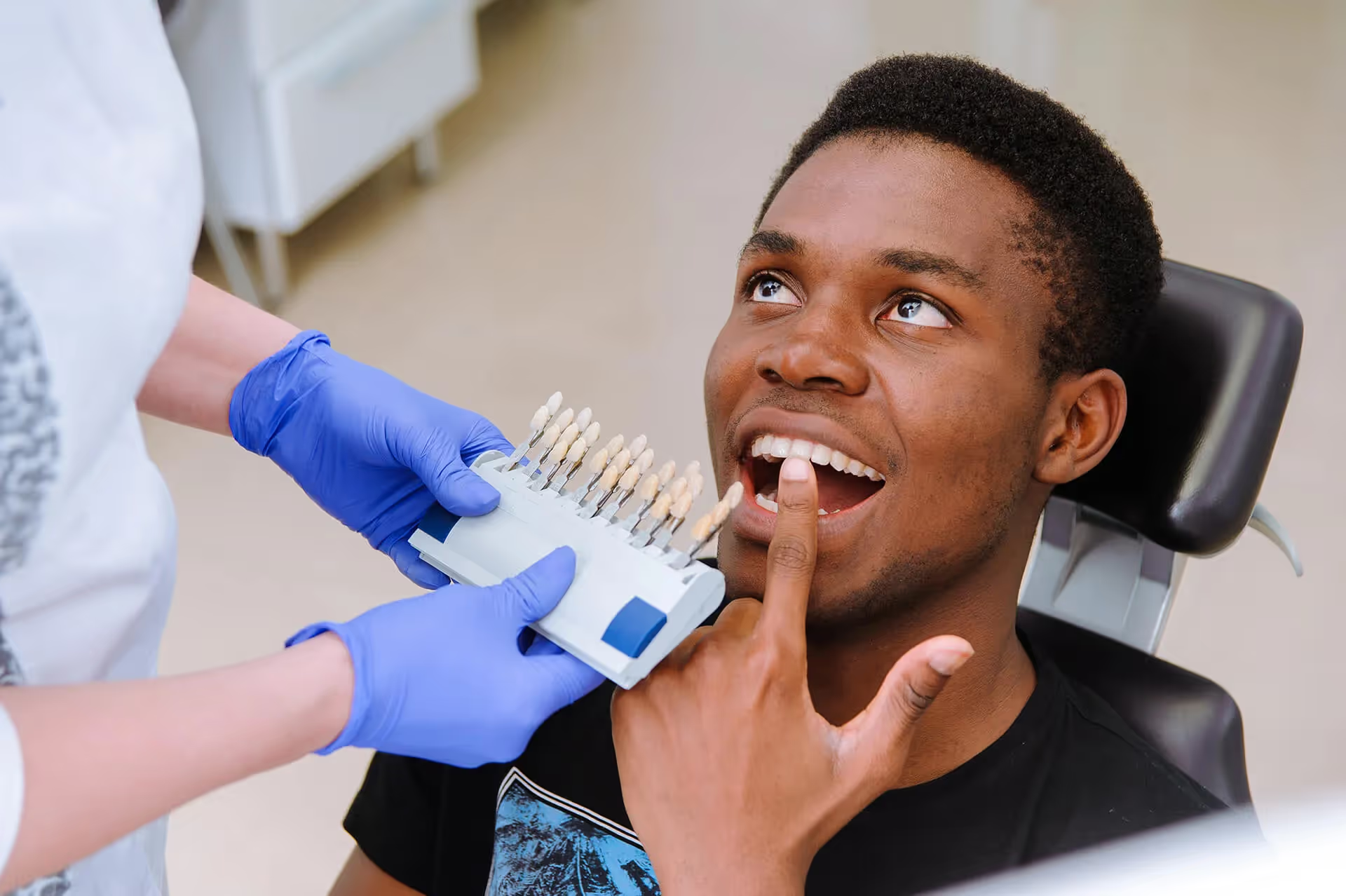
What Is Dental Bonding?
Dental bonding is a cosmetic and restorative procedure that involves applying tooth-colored composite resin directly to a tooth. The dentist shapes the material, hardens it with a curing light, and polishes the surface to blend with surrounding teeth.
Bonding can improve minor imperfections without requiring extensive tooth preparation in many cases. It is commonly used to repair small chips, modify uneven edges, and improve the appearance of individual teeth.
At East Peoria Dental Group, bonding may be recommended as a standalone treatment or included in a personalized plan involving other cosmetic dentistry treatments.
Your dentist will evaluate your oral health and cosmetic goals before recommending treatment.
Benefits of Dental Bonding
Dental bonding offers several potential advantages for patients seeking conservative smile improvements.
- Natural-looking results: Composite resin can be shade-matched to nearby teeth for a coordinated appearance.
- Conservative preparation: Many bonding procedures require little or no enamel removal.
- Convenient treatment: Minor repairs can often be completed during one appointment.
- Versatile applications: Bonding may address chips, small spaces, discoloration, and uneven tooth contours.
- Lower initial cost: Bonding generally costs less initially than porcelain veneers.
- Repairability: Chipped or worn bonding material can often be repaired or replaced without extensive treatment.
Results depend on the location of the treated tooth, the condition of the enamel, and daily oral habits.

What Dental Concerns Can Bonding Address?
Dental bonding is commonly recommended for minor cosmetic concerns that do not require substantial changes to tooth structure.
Chipped or Slightly Cracked Teeth
Small chips, particularly along the edges of front teeth, may be repaired with composite resin. Your dentist shapes the material to restore the tooth's contour and improve its appearance.
Bonding may also help conceal certain superficial imperfections. However, deeper cracks or significant fractures require further evaluation and may need a different restorative treatment.
Small Gaps and Uneven Tooth Shapes
Bonding can sometimes close narrow spaces between teeth or adjust the appearance of short, irregular, or slightly misshapen teeth.
By adding composite material to selected areas, the dentist can improve tooth proportions without moving the teeth themselves.
Patients with larger spacing or significant alignment concerns may benefit from orthodontic treatment instead.
Tooth Discoloration and Cosmetic Imperfections
Composite bonding may conceal localized discoloration that cannot be adequately improved through whitening alone.
For patients primarily concerned about generalized staining, professional teeth whitening may be another option.
Because composite resin does not respond to whitening treatments the same way natural enamel does, tooth shade and future cosmetic plans should be discussed before bonding.
What to Expect During Your Dental Bonding Appointment
Dental bonding usually involves four main steps. At our East Peoria office, treatment is planned according to your tooth condition, desired appearance, and oral health.
Step 1 — Cosmetic Consultation and Shade Selection
Your dentist examines the tooth and discusses your treatment goals. The surrounding teeth are evaluated to select a composite shade that complements your natural smile.
The consultation also helps determine whether bonding can achieve the desired improvement or whether another treatment would be more appropriate.
Step 2 — Tooth Preparation
The treatment area is cleaned and prepared to help the composite resin adhere to the tooth.
Depending on the procedure, the dentist may lightly condition the enamel and apply a bonding agent.
Anesthesia is often unnecessary for purely cosmetic bonding, but it may be recommended when tooth decay, sensitivity, or additional preparation is involved.
Step 3 — Composite Resin Application
The tooth-colored composite material is applied and carefully shaped to address the chipped edge, gap, or cosmetic irregularity.
Your dentist adjusts the material to complement the contours and proportions of surrounding teeth.
Step 4 — Curing, Polishing, and Bite Evaluation
A specialized curing light hardens the composite resin. The dentist then trims and polishes the material to create a smooth surface.
Your bite is checked to help ensure the bonded area does not interfere with normal tooth contact.
Before leaving, you will receive instructions for caring for the restoration.
How Long Does Dental Bonding Take?
Many straightforward dental bonding procedures take approximately 30–60 minutes per tooth, although treatment time varies.
A small chip may require less preparation than reshaping several teeth or addressing multiple cosmetic concerns.
For suitable cases, bonding can be completed in one visit without a laboratory-made restoration. More complex treatment plans may require additional appointments.
Most patients can return to normal daily activities soon afterward, although your dentist may recommend temporary precautions.
How Much Does Dental Bonding Cost in East Peoria, IL?
The cost of dental bonding depends on the number of teeth being treated, the complexity of the procedure, and whether the bonding serves a cosmetic or restorative purpose.
Factors affecting treatment cost may include:
- Number of teeth: Bonding multiple teeth generally requires more treatment time and materials.
- Size of the repair: Small chips may require less work than extensive reshaping.
- Treatment complexity: Additional preparation or restorative care may influence the total.
- Insurance coverage: Coverage varies depending on the reason for treatment and individual policy terms.
Bonding performed solely for cosmetic purposes may not qualify for dental insurance benefits. Restorative bonding may receive coverage under certain plans.
East Peoria Dental Group provides individualized estimates and offers information about insurance, financing options, and its in-house dental savings plan. Details are available through our patient information and payment resources.
A consultation allows our team to recommend suitable treatment and explain anticipated costs.
Who Is a Good Candidate for Dental Bonding?
Dental bonding may be appropriate for patients with relatively healthy teeth and minor cosmetic concerns.
When Dental Bonding May Be Recommended
You may be a candidate if you:
- Have small chips or uneven tooth edges.
- Want to improve the shape of slightly misshapen teeth.
- Have narrow spaces between otherwise well-aligned teeth.
- Want to conceal selected areas of discoloration.
- Prefer a conservative approach to minor cosmetic changes.
- Have healthy gums and sufficient supporting tooth structure.
Patients from East Peoria, Peoria, and nearby communities can discuss their goals during a cosmetic consultation.
When Dental Bonding May Not Be Appropriate
Bonding may not be the recommended treatment for patients with:
- Large fractures or substantial tooth structure loss.
- Extensive untreated decay.
- Active periodontal disease.
- Severe tooth misalignment.
- Significant grinding or bite-related stress.
- Cosmetic concerns requiring more extensive coverage or restoration.
Your dentist may recommend addressing underlying dental conditions before proceeding with cosmetic treatment.
Risks and Limitations of Dental Bonding
Although dental bonding is generally conservative, the composite material has limitations.
Bonding can chip, wear, stain, or separate from the tooth over time. Habits such as nail biting, chewing ice, or using teeth to open packaging may increase the risk of damage.
Composite resin is also generally more susceptible to staining than porcelain. Coffee, tea, tobacco, and other staining substances may affect its appearance.
Some procedures require minor enamel preparation, and temporary sensitivity is possible.
Bonded teeth may need polishing, adjustments, repair, or replacement as the material ages. Dental bonding is not necessarily reversible in every case, particularly when natural tooth structure has been modified.
Alternatives to Dental Bonding
Some cosmetic and restorative concerns are more appropriately treated using other dental procedures.
Professional Teeth Whitening
Whitening may be considered for patients whose primary concern is widespread staining or discoloration.
Unlike bonding, whitening changes the shade of natural teeth without adding restorative material.
Porcelain Veneers
Veneers may be appropriate for certain patients seeking more extensive changes to the visible surfaces of their teeth.
The treatment involves different preparation requirements, materials, and maintenance considerations than direct composite bonding.
Dental Crowns or Orthodontic Treatment
Dental crowns may be recommended when a tooth requires greater structural support or coverage.
Orthodontic treatment may be more appropriate for spacing or alignment concerns that cannot be adequately managed through cosmetic reshaping.
A dental examination helps identify the treatment best suited to your needs.
How to Care for Bonded Teeth
Dental bonding requires consistent oral hygiene and attention to habits that may damage the composite material.
To help maintain bonded teeth:
- Brush twice daily using fluoride toothpaste.
- Floss regularly to clean between teeth.
- Avoid biting fingernails, pens, ice, or other hard objects.
- Reduce frequent exposure to staining foods, drinks, and tobacco.
- Discuss a protective nightguard if you grind or clench your teeth.
- Attend routine dental examinations and professional dental cleanings.
Your dentist can also check for signs of wear and recommend polishing or repairs when necessary.
How Long Does Dental Bonding Last?
Dental bonding may last approximately 5–10 years in some cases, although individual outcomes vary.
The size and location of the restoration, bite forces, oral hygiene, and daily habits influence durability.
Smaller repairs in areas exposed to less biting pressure may have different maintenance needs than bonding on heavily used tooth edges.
Regular dental evaluations help identify material wear or damage before additional problems develop.
Cosmetic Dental Bonding at East Peoria Dental Group
East Peoria Dental Group has provided dental care to local families for more than 25 years, emphasizing personalized care, patient relationships, and individualized treatment planning.
Our team includes Dr. John Zimdars and Dr. Josh Hudson, who provide cosmetic and restorative dental services at our East Peoria office.
Dr. John Zimdars has a particular interest in cosmetic dentistry and restorative treatment. He earned his Doctor of Dental Surgery degree from the University of Illinois College of Dentistry and completed a general practice residency in Louisville, Kentucky.
Dr. Josh Hudson also provides cosmetic dentistry, Invisalign, and implant-related care, with an emphasis on patient comfort and detailed planning.
Our dentists evaluate each patient's concerns and explain treatment recommendations before proceeding. The goal is to develop an appropriate plan that supports oral health while addressing individual aesthetic preferences.
Dental Bonding for East Peoria and Nearby Communities
East Peoria Dental Group welcomes patients seeking cosmetic dental bonding throughout the Greater Peoria area.
Our dental office is located at 1605 E Washington St, East Peoria, IL 61611, serving patients from nearby Central Illinois communities.
- East Peoria, IL: Our primary office location for cosmetic dental consultations and bonding treatments.
- Peoria, IL: Peoria residents can visit our East Peoria practice to explore options for chipped, uneven, or discolored teeth.
- Washington, IL: We welcome patients from Washington who are considering conservative cosmetic dental improvements.
- Morton, IL: Morton-area patients can receive individualized evaluations for dental bonding and related cosmetic services.
- Pekin, IL: Patients from Pekin can discuss bonding and alternative restorative treatments at our East Peoria location.
Whether you want to repair a small chip or explore several cosmetic changes, our dental team can help you understand the available treatment options.
Schedule a Dental Bonding Consultation in East Peoria, IL
If you are considering dental bonding for chipped, uneven, or discolored teeth, a consultation can help determine whether this treatment suits your needs.
At East Peoria Dental Group, Dr. John Zimdars and Dr. Josh Hudson evaluate your oral health, discuss cosmetic goals, and recommend appropriate treatment options.
Our team can also explain the expected procedure, potential limitations, maintenance requirements, and estimated costs.
Call (309) 699-5521 to arrange a dental bonding consultation.
Office: 1605 E Washington St, East Peoria, IL 61611
Hours: Monday–Thursday, 8 AM–5 PM
Frequently Asked Questions About Dental Bonding
How much does dental bonding cost in East Peoria, IL?
Dental bonding costs depend on the number of teeth treated, the size of the repair, and treatment complexity. Cosmetic procedures may not be covered by insurance, while some restorative applications may qualify for benefits. East Peoria Dental Group provides individualized cost estimates after evaluating your teeth and discussing your treatment goals.
Who is a good candidate for dental bonding?
Dental bonding may suit patients with minor chips, small gaps, localized discoloration, or slightly uneven teeth. Healthy gums and adequate natural tooth structure are important considerations. Patients with substantial fractures, untreated decay, or significant bite problems may need alternative treatment. A dental examination helps determine whether bonding is appropriate.
Is dental bonding safe, and does it hurt?
Dental bonding is generally a conservative procedure using tooth-colored composite resin. Many cosmetic applications require little preparation and can be completed without anesthesia. However, discomfort or temporary sensitivity is possible, particularly when additional tooth preparation is necessary. Your dentist will discuss expected sensations and any relevant risks before treatment.
How long does dental bonding take, and how long does it last?
Many straightforward bonding procedures take approximately 30–60 minutes per tooth and can be completed in one appointment. Bonding may last several years, with some restorations lasting approximately 5–10 years. Longevity depends on oral hygiene, bite forces, treatment location, and habits. Repairs or replacement may eventually be necessary.
Is dental bonding better than porcelain veneers?
Neither treatment is universally better. Bonding often requires less tooth preparation and generally has a lower initial cost, making it suitable for certain minor cosmetic improvements. Porcelain veneers are generally more stain-resistant and may provide longer-lasting results in appropriate cases. Your dentist can compare both options based on your teeth, preferences, and treatment goals.